












How to Choose a Realistic Dummy Security Camera (and Why AI Got It Half Right)
AI advice can be helpful—but sometimes it oversimplifies things. A customer recently shared that AI recommended buying a metal dummy camera because it would look more "real." That’s only half right. Modern surveillance cameras (even real ones) often use high-grade plastics, so the housing material alone doesn’t determine believability. If you want a realistic dummy security camera that actually deters, here’s what really matters.
♦ Looking for a realistic dummy security camera right now?
Explore TBOTECH’s selection of Fake Security Cameras — including both classic models and solar-powered options that add credibility to any setup.
The Goal of a Dummy Security Camera
A dummy (fake) security camera works by deterrence through appearance. If it looks professionally installed and plausible at a glance, most opportunistic intruders won’t stick around to verify whether it’s recording. Your job is to make it pass a quick "is that real?" test.
Does Metal vs. Plastic Really Matter?
Short answer: not as much as you think. Many authentic outdoor cameras (domes, bullets, turrets) use plastic housings for weight and weather reasons. What matters more is overall design quality and installation presentation. A well-designed plastic dummy can look far more convincing than a clunky metal one.
Example dummy options:
- Dummy Surveillance Camera (classic style) — realistic looks, budget friendly.
- Solar Dummy Camera — similar look with solar charging capability for the LED.
- Browse the full lineup: Fake Security Cameras
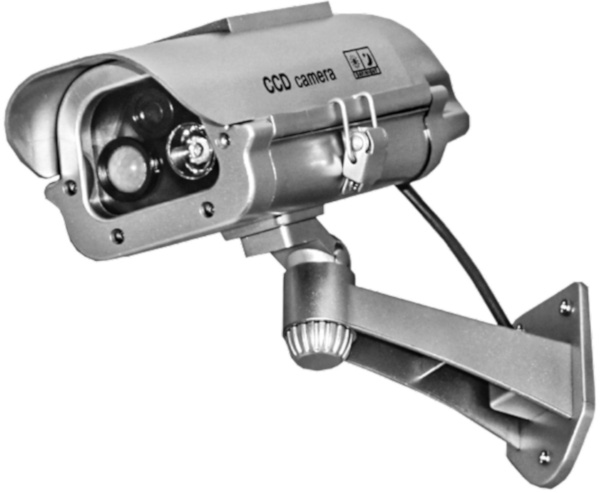
What Actually Makes a Dummy Camera Look Real
- Authentic design: Choose dome/bullet styles that mirror mainstream surveillance brands. Avoid toy-like shapes.
- Visible lens & sensor area: A defined lens bezel and sensor window look legit; a flat black dot does not.
- Subtle indicator light: A soft, periodic blink is fine. A bright, rapid strobe screams "fake."
- Weather-appropriate mount: A sturdy bracket with proper screws suggests a professional install.
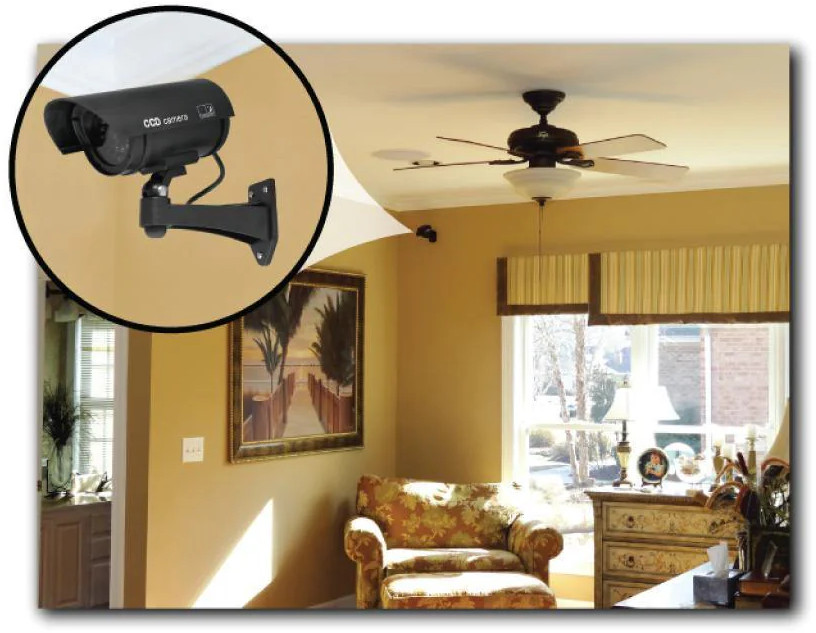
- Convincing placement: Mount high, angle toward entry paths, and keep it consistent across the property.
- Cable realism (optional): Visible conduit or a short cable run (even a dummy) adds credibility.
- Match your ecosystem: If you have any real cameras, pick dummies that look similar.
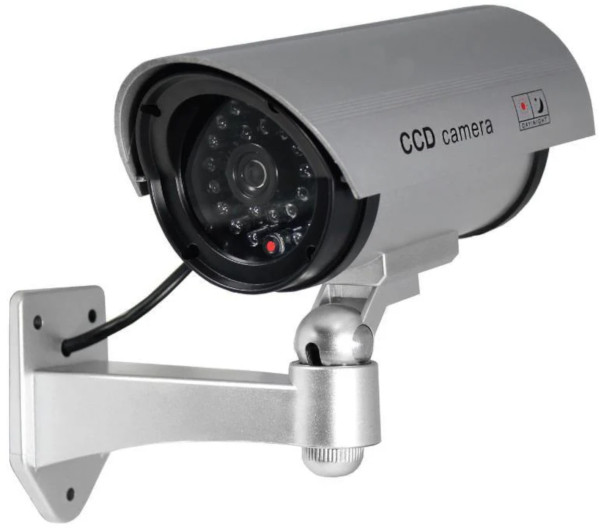
Common Mistakes That Give Away a Fake
- Overdone LEDs: Fast, bright flashing lights look theatrical, not professional.
- Low mounting height: Cameras installed too low or crooked appear amateur.
- Mixed styles: One "toy" camera among otherwise pro-looking devices stands out.
- Wrong environment: Indoor-style housings used outdoors with no cover.
- Cheesy signage: Cartoonish "SECURITY CAMERA!!!" stickers near the unit reduce credibility.
Pro Tip: Combine Real and Dummy Cameras
For the best bang-for-buck, place real cameras at critical entry points and use dummy cameras to extend perceived coverage. Keep styles consistent so the whole system looks uniform. Even if you only use dummies for now, you can add real units later without changing the look.
Quick Buyer’s Checklist
- ✅ Realistic dome or bullet design with a defined lens area
- ✅ Subtle LED indicator (optional / solar-powered OK)
- ✅ Weather-appropriate housing and mount
- ✅ Plausible placement and angle
- ✅ Style matches any real cameras you use
Build a More Convincing Setup
Ready to put this into practice? Start with a realistic model and smart placement:
- Classic style: Dummy Surveillance Camera
- Solar option: Solar Dummy Camera
- See all: Fake Security Cameras
Ready to Make Your Security Setup Look Real?
Whether you’re protecting your home, office, or property, the right dummy cameras can make a big difference. Choose models that look authentic, install easily, and deter potential intruders.
Shop Fake Security Cameras View All Home Protection Products
Related Blog Posts
Final thought: AI can point you in the right direction, but details matter. Focus on appearance, placement, and consistency—that’s what makes a dummy camera truly believable.
Add your comment now!
Post CommentRecent posts
Best Sellers
All Blog Posts
© 2000 - 2025 TBOTECH Safety & Security, LLC
